When we think of climate change, it’s common to think of the environmental, social and economic impacts such as damaged homes from extreme weather, lost livelihoods and collapse of ecosystems.
However, a recent global study has discovered that climate-related disasters are also putting girls at greater risk of child marriage, teenage pregnancy and violence due to extreme weather disruptions to education, healthcare and family livelihoods.
Published by international humanitarian organisation Plan International, the report examines how climate shocks affect adolescent girls’ and young women’s sexual and reproductive health and rights.
The study combines an analysis of health and climate data across 52 low- and middle-income countries over three decades with a survey of 5,000 girls aged 15 to 24 years-old in Bangladesh, Kenya, Peru, Senegal and Zimbabwe.
Among its key findings, one in 10 respondents said they had personally experienced an unintended pregnancy following a climate-related event, while 33% reported an increase in unintended pregnancies within their community.
Furthermore, one in 10 said they had married before the age of 18, while 36% saw more girls entering marriage before turning 18 after climate-related disasters.
More than a quarter (28%) of girls also said they had observed an uptick in violence against women and girls following climate disasters.
After these disasters, girls face a higher risk of sexual abuse and exploitation, as some are pressured into trading sex for money or basic needs.
They also face greater danger in crowded, dark emergency shelter, leaving them exposed to harassment and sexual violence.
“For girls, the climate crisis is not a distant threat. It is already disrupting their education and increasing the risks they face when they cannot access health services,” says Plan International chief executive officer Reena Ghelani.
Better climate action for girls
Additionally, the study found that nine in 10 girls experienced serious pressure on their families’ survival, health and stability as a result of climate disaster.
Events like flood, drought, cyclones and extreme heat can destroy homes, damage infrastructure and hinder access to schools and healthcare facilities.
These disruptions can leave girls without essential sexual and reproductive health services, while economic pressure can push families towards harmful coping strategies.
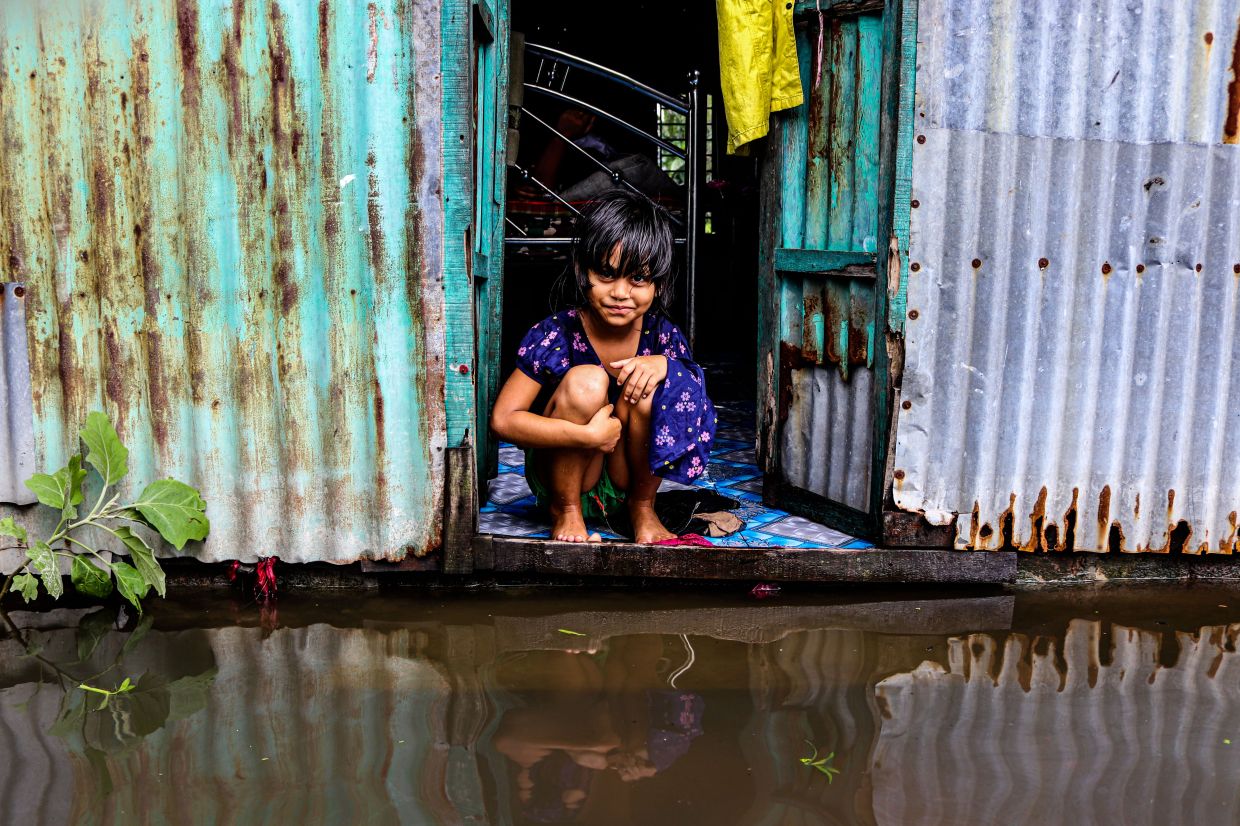
In Bangladesh, a study participant named Shahina describes a concerning outcome following catastrophes.
“When floods leave people completely destitute, families think about financial hardship and marry off girls at a very young age,” the 19-year-old says.
Participants described girls as young as the age of 12 and 13 becoming pregnant in Peru, and girls in Zimbabwe noting pregnancy among girls still in primary and secondary schools.
Almost half of the girls also noticed more pregnancy health or childbirth related complications in their community after a climate shock.
The study also pointed out prolonged drought as a significant factor in child marriage, as families lose harvests, livestock and income over time.
A 22-year-old participant from Kenya, Galgalo, shared how her family’s financial circumstances influenced her decision to marry.
“My father has no livestock to sell and take me to college, that’s how I accepted to be married off,” she shares.
Education was one of the strongest protective factors in the study, with girls whose schooling was disrupted found to be twice as likely to marry young or get pregnant.
The findings also revealed inequalities in access to healthcare, with 76% of respondents saying girls and young women in their communities struggled to reach at least one sexual or reproductive health service. This figure rose to 84% among those affected by drought.
Ghelani says girls must be included in climate-related decision-making, with their rights and needs incorporated into policies and funding.
“We know what puts girls at risk, and we know what helps protect them. What is missing is not the evidence, but the urgency to act on it,” she says.
“Girls cannot continue to be treated as an afterthought in climate action. They must have a meaningful say in the decisions that shape their lives, and their rights and needs must be built into climate policy and financing from the outset.”