
No two breast cancers are exactly alike, and neither are the decisions that follow a diagnosis.
Even patients with the same type of cancer can differ in tumour biology, disease extent and personal circumstances, making treatment decisions more complex than choosing a single course of action.
Consultant breast and breast reconstructive surgeon Dr Ng Char Hong says these decisions are best made collectively, rather than by a single specialist.
“To treat a patient, we need to review their case and determine the best treatment.
“This cannot be decided by one person alone, as different specialists may have different opinions.
“Breast cancer is very heterogeneous. Even when patients have the same type of breast cancer, their cancers can be slightly different,” he says.
That complexity makes a team approach essential.
The multidisciplinary team (MDT) brings together specialists from different fields to assess the findings, weigh the options and determine the most appropriate treatment for each breast cancer patient.
Collaborative management
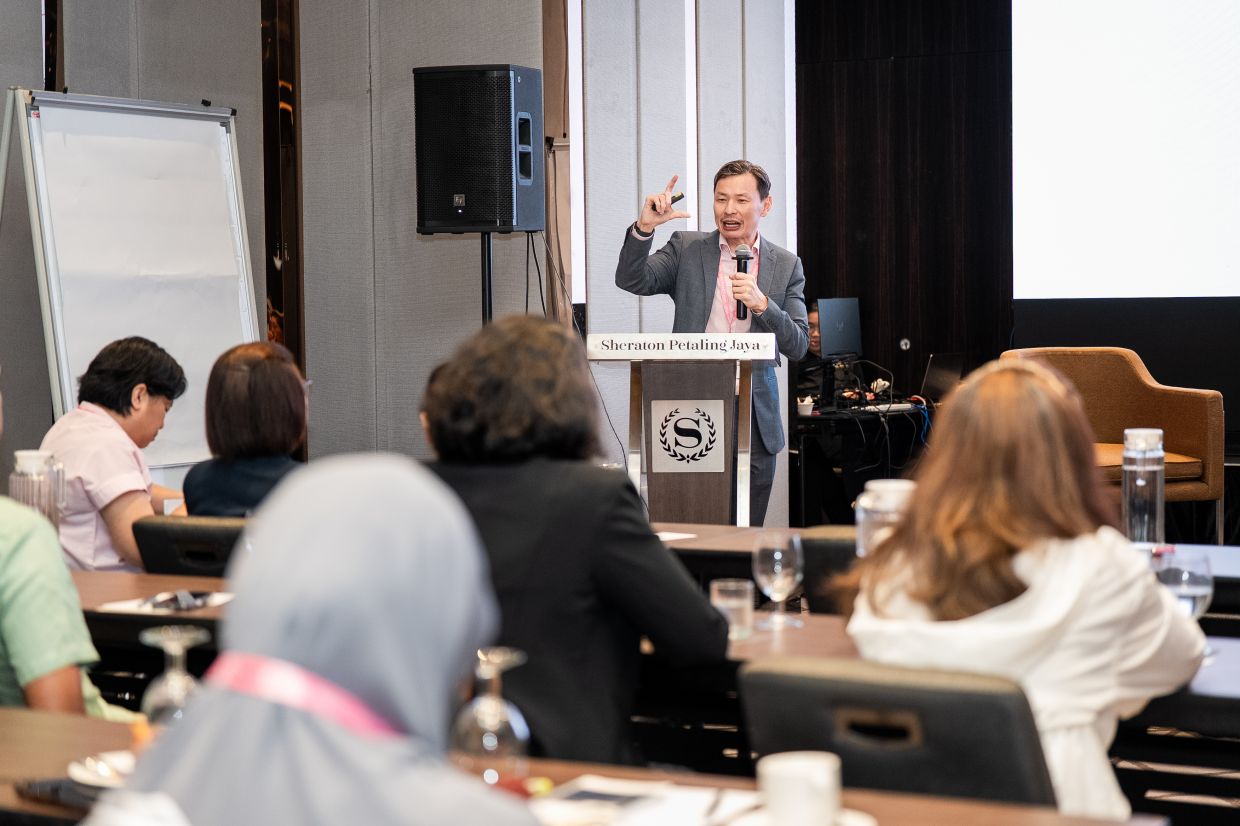
From individual specialist treatment, breast cancer care today has evolved to a more collaborative approach.
Consultant breast surgeon Professor Emeritus Datuk Dr Yip Cheng Har recalls how different it was when she began her career about three decades ago.
“The surgeon does everything.
"I remember I did my own chemo[therapy], I did my own hormone [treatments].
“The only thing I couldn't do was radiotherapy.
"And there was no such thing as multidisciplinary teams,” she says.
Today, Prof Emeritus Yip says a breast cancer MDT brings together expertise from breast surgery, medical and radiation oncology, breast radiology, and pathology, with a breast care nurse involved when needed.
The patient should also have access to plastic surgeons, psychologists and physiotherapists, as well as gynaecologists and obstetricians where appropriate.
“Tumour biology, disease extent and patient factors interact,” she says.
The MDT considers these factors together to determine the most appropriate treatment and the order in which it should be given.
But Prof Emeritus Yip stresses that an MDT is not simply about having every specialist in the room.
“The important point is availability of expertise, not that every professional must attend every case,” she says.
When imaging reveals more
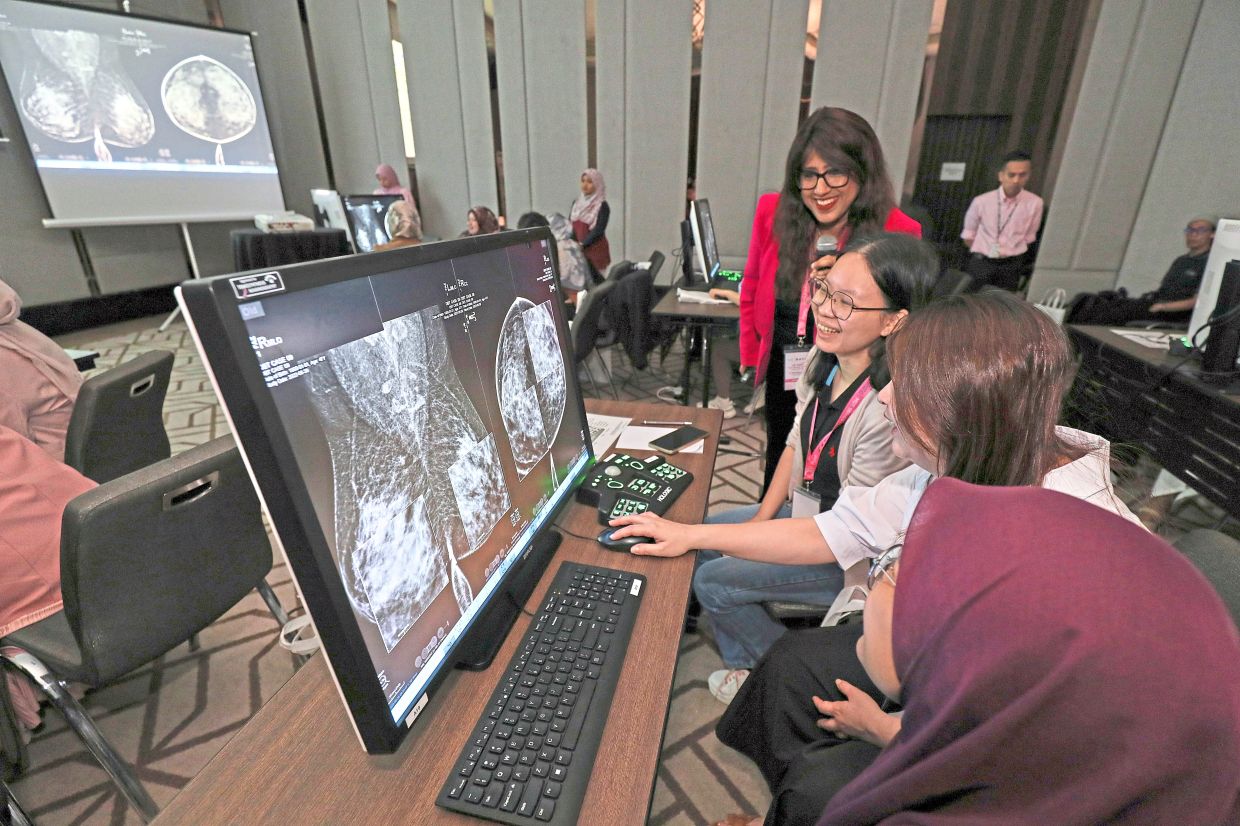
Breast radiologists play an important role in helping the MDT assess the extent of disease and determine whether further investigation is needed.
Dr Ng says conventional 2D mammography and ultrasound may not always show the full extent of cancer, particularly in younger patients and those with invasive lobular carcinoma, which starts in the milk-producing glands.
“The normal basic imaging – the mammogram, ultrasound – shows you something, but it might not be the full thing,” he says.
Consultant breast radiologist Dr Maninderpal Kaur explains that dense breast tissue and many breast cancers can both appear white on a mammogram, making some tumours difficult to detect on conventional 2D imaging.
She recalls an MDT case in which a patient had cancer in the right breast, but a contrast-enhanced mammogram (CEM) also revealed a lesion in the left breast.
“The surgeon then did an ultrasound, but couldn’t find it.
“An ultrasound-guided biopsy also failed to get a diagnosis,” she shares.
“Then we told the surgeon, let us do an MRI [magnetic resonance imaging] and show you.
“Indeed, there was something on the left side," she says, adding that the MRI showed extensive disease on that side.
A tomosynthesis-guided vacuum-assisted biopsy (VAB) was then performed on the area showing the strongest enhancement from the MRI, confirming cancer in the left breast.
The additional imaging and biopsy allowed the team to establish the diagnosis before surgery, and discuss the treatment and surgical options with the patient.
“We can manage to get a diagnosis before they take the patient in,” Dr Maninderpal says.
“They can talk to the patient and have a discussion that you need reconstructive surgery from the get-go, rather than going into the operating room and finding out things."
What the patient wants
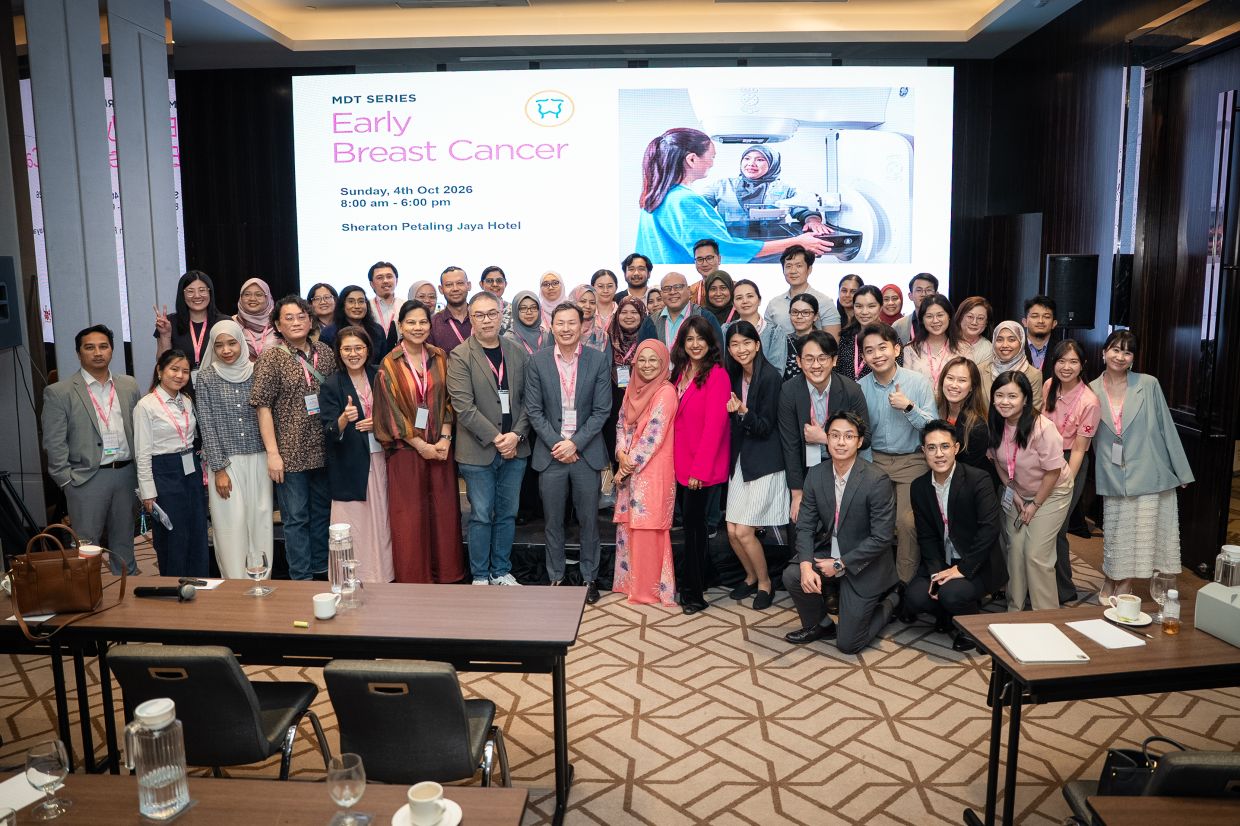
But while the MDT can recommend the most appropriate treatment, the final decision remains with the patient.
Prof Emeritus Yip says patients’ quality of life and personal preferences must be considered alongside medical evidence and tumour biology.
“The patient has to agree with what we recommend because the patient will have to talk about quality of life and preferences, whereas we can talk about the evidence and tumour biology,” she says.
“But the final thing is, what does the patient want?”
All three doctors were speaking at Hospital Picaso’s MDT Series: Early Breast Cancer Masterclass in Sheraton Petaling Jaya Hotel, Selangor, on Oct 4 (2026).