When is a shoe not a shoe? When fashion takes liberties to rethink its very form.
At the Chanel Cruise 2026 show last month, creative director Matthieu Blazy unveiled barefoot sandals that quickly became the talk of social media.
Some mocked the concept, while others were intrigued by the idea of feeling grounded while still having the support of a shoe.
Models walked the runway in barely-there strap-on heels, their soles in full contact with the ground, blurring the line between being barefoot and being shod.
The term “Frankenshoes” has circulated in the industry for years, used to describe hybrid designs that splice together unlikely elements. From loafer-sneaker mashups to half-clog, half-high-heel constructions, these creations often lean into the absurd.
Yet many have managed to find commercial traction, propelled less by practicality than by virality and fashion’s appetite for the unexpected.
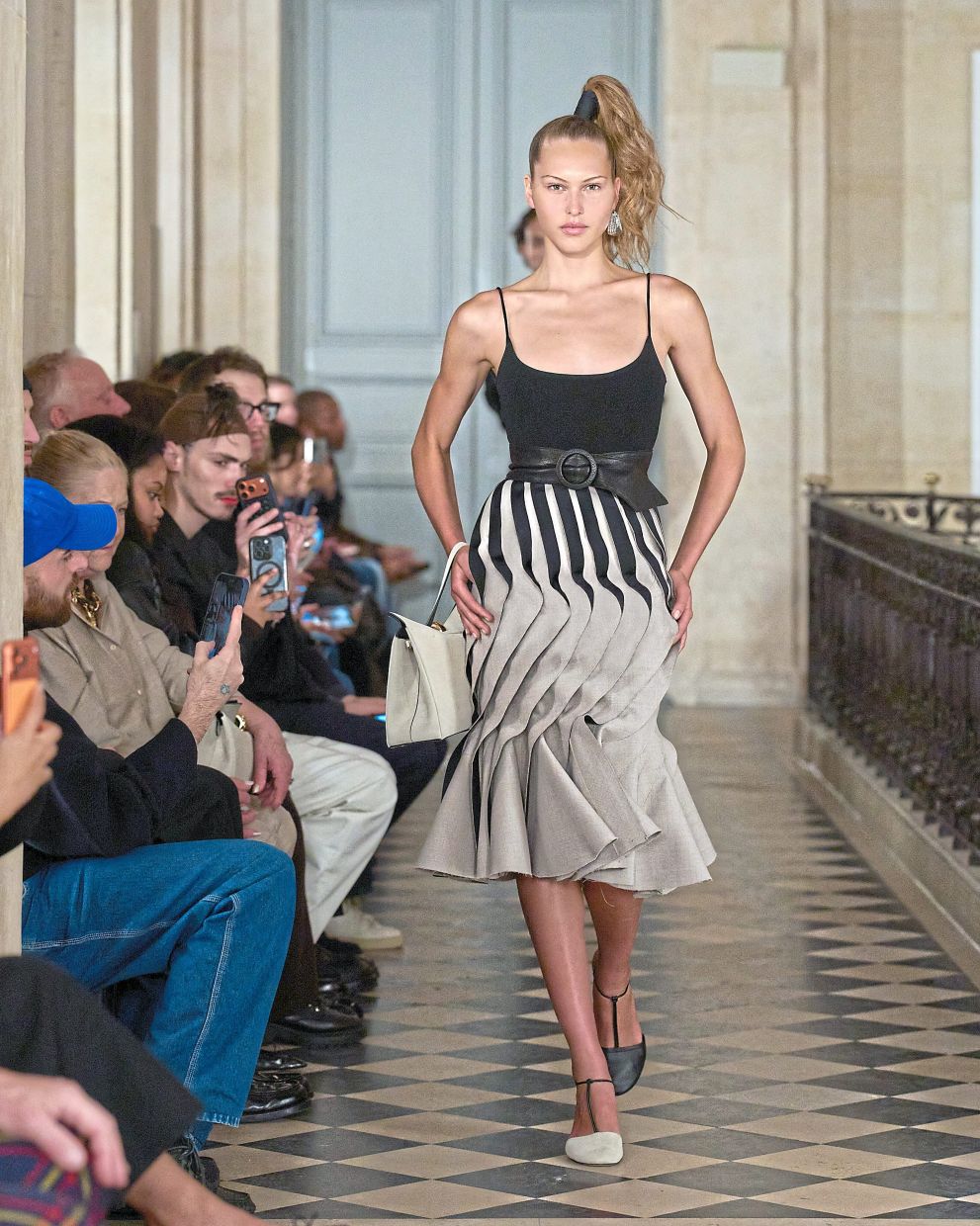
There is even a term called “ugly shoes”, which actually does not mean they look bad, just weirdly unconventional.
Nike’s Jordan Pointe, for example, takes the form of a sneaker but features ribbon ties that wrap around the calf like ballet flats.
It echoes the iconic Jordans while introducing a distinctly feminine edge, though some would argue it is a design no one asked for.
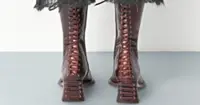
The Miista Shelley boot follows a similarly offbeat logic, with exaggerated proportions and a sculptural silhouette that challenges traditional ideas of wearability.
It features a beak-shaped sole and a corset-inspired lattice of laces running down the back.
Then there are glove shoes, a hot trend must-have in fashion’s ongoing experiment with footwear. These designs wrap the foot in a second-skin silhouette.
In some cases, individual toes are separated like fingers in a glove, while in others, the entire foot is encased in soft, moulded leather or stretch fabric that mimics anatomy rather than conventional shoe structure.
Spotted on runways, in editorial shoots and across celebrity social media feeds, the silhouette has quickly become a talking point among stylists and fashion commentators for its unusual blend of intimacy and exaggeration.
Read more: Vest dressed: Often overlooked, the waistcoat remains a classic fashion staple
Sometimes, the strangeness lies not in the design itself, but in how the shoe is worn or styled.
Wearing mismatched shoes, for instance, has become a major trend again.
It first gained traction nearly a decade ago, but has since been revived by designers including Simon Porte Jacquemus, who sent deliberately mismatched pairs down the runway during his Autumn/Winter 2026 show in Paris earlier this year.
Actor-comedian Keegan-Michael Key also embraced the look in February, wearing mismatched sneakers during the 2026 NBA All-Star Celebrity Game.
Once associated with getting dressed in the dark or making a fashion faux pas, mismatched footwear is now being reframed as intentional styling.
It is another example of fashion turning unconventional choices into statements of individuality.
These designs and ideas may polarise, but they underscore fashion’s ongoing push to blur the line between function and experimentation.
Then again, what is a shoe if not just something designers can endlessly deconstruct and reinvent in the pursuit of the next conversation-starting trend?